The Colosseum: Grandeur is Real, and So is the Rain
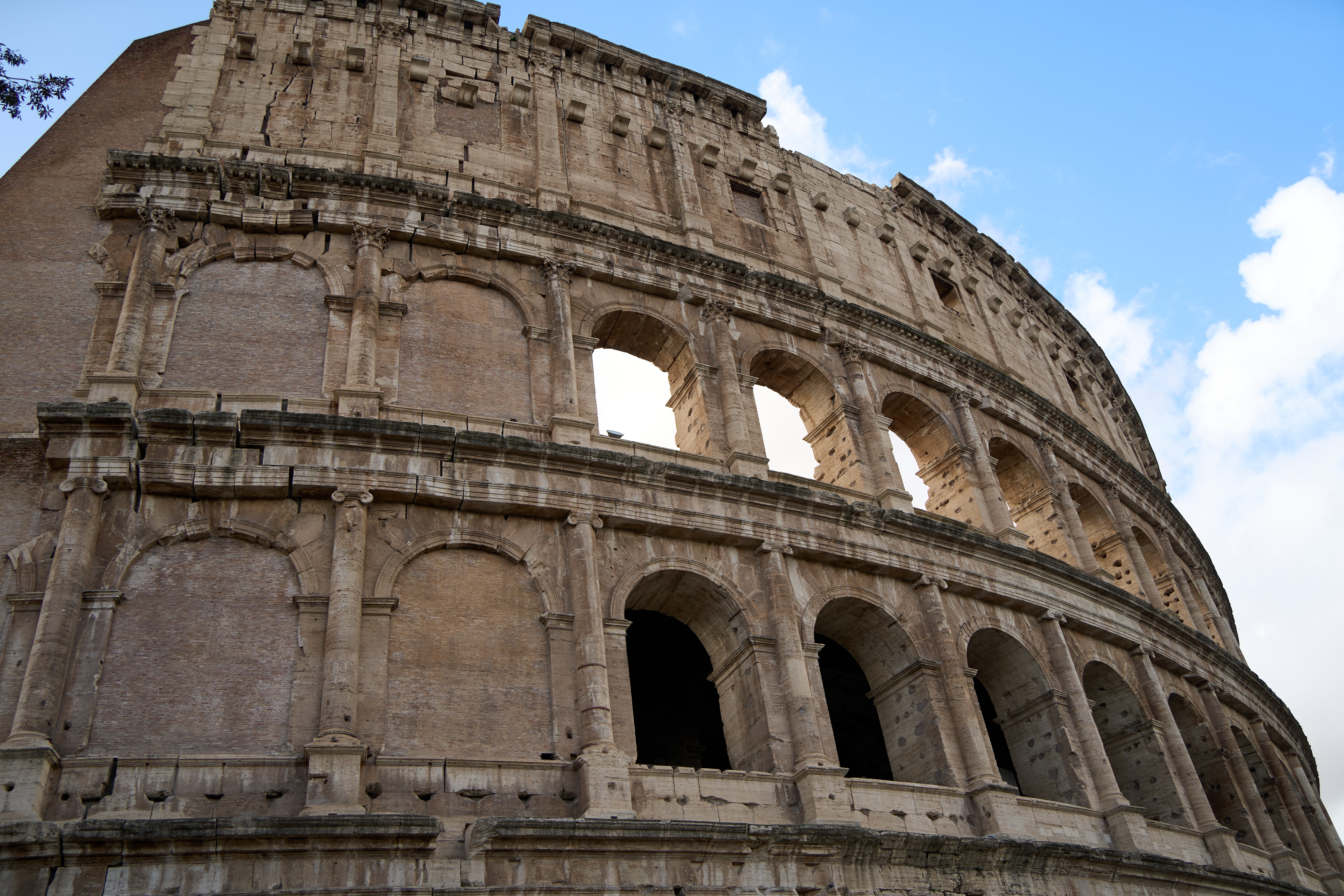
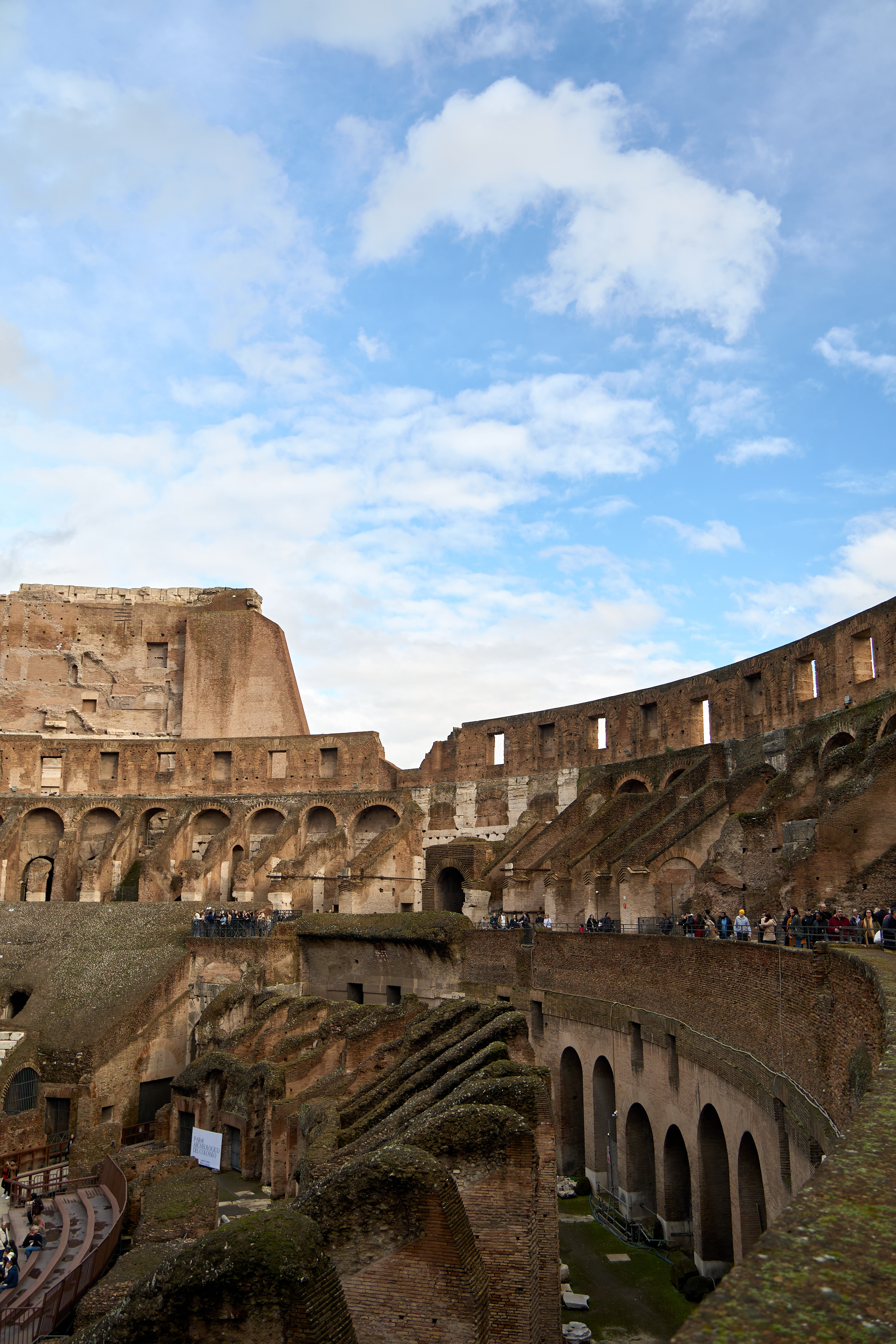
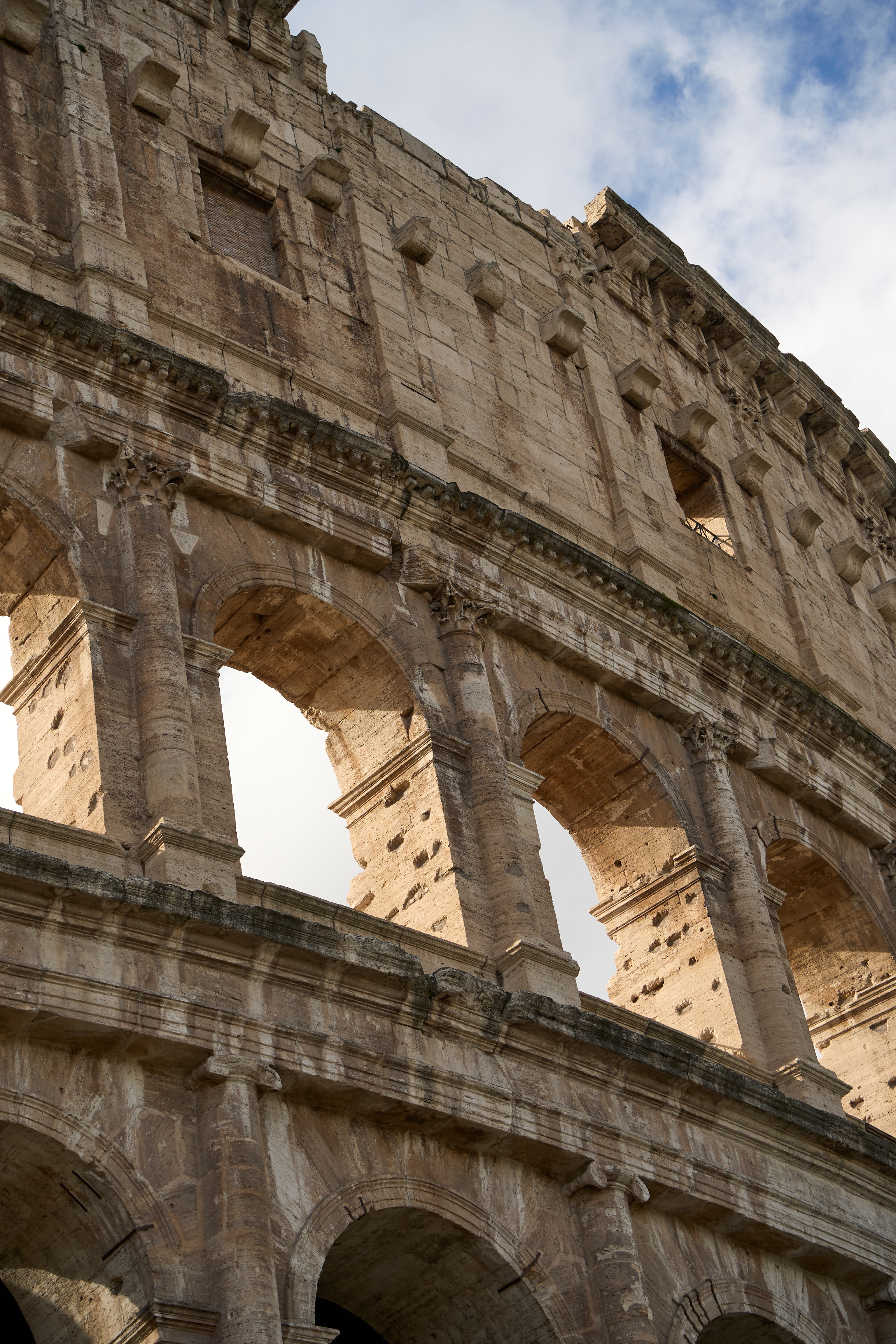
The first stop in Rome is, inevitably, the Colosseum. This architectural titan has been milked by textbooks and Hollywood blockbusters for decades, yet seeing it in person still hits you with that raw sense of “monumental brutality” that lingers in its remains.
However, Mother Nature clearly wasn’t in the mood to welcome tourists. Periodic rain throughout the day turned this “heavy” historical pilgrimage into a somewhat pathetic reality—feeling less like a grand tour and more like taking a cold shower in a pile of ancient rubble.
Basilica of Maxentius: The Ancient “Uber-Shelter”
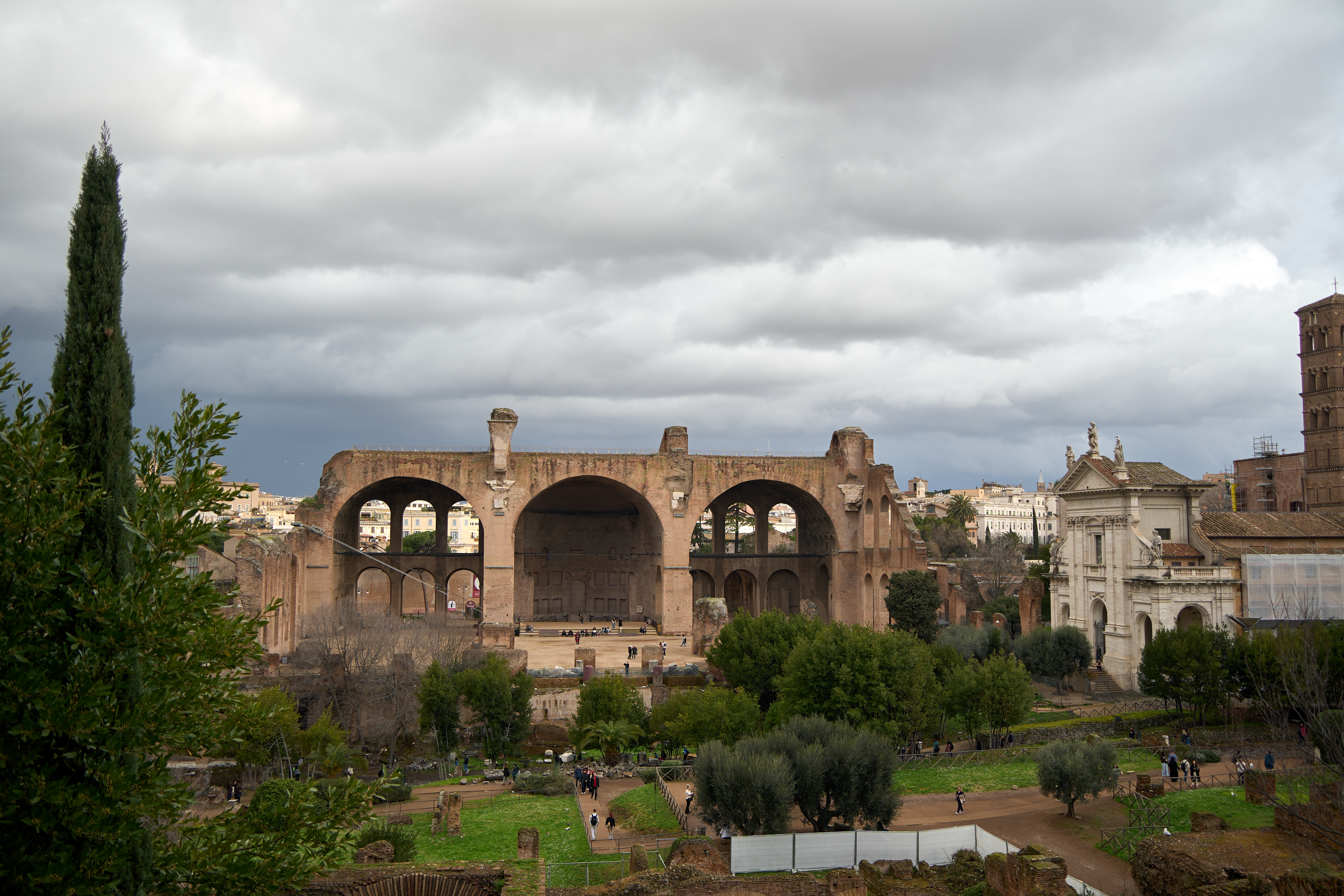
While exploring the Roman Forum, the rain suddenly intensified. I found myself scrambling for cover and ended up huddled inside a massive set of ruins—the Basilica of Maxentius.
Initially, I just wanted a dry place to hide, but standing beneath those surviving, colossal concrete vaults, I was completely floored by the sense of power echoing across a thousand years. Even with only three side-aisle arches remaining today, their sheer scale makes modern humans look like tiny ants. It’s mind-blowing to think that in an era without cranes or steel, the Romans reached the absolute peak of the “megastructure” skill tree just to show off their authority and wisdom. Building something of this magnitude thousands of years ago is truly humbling.
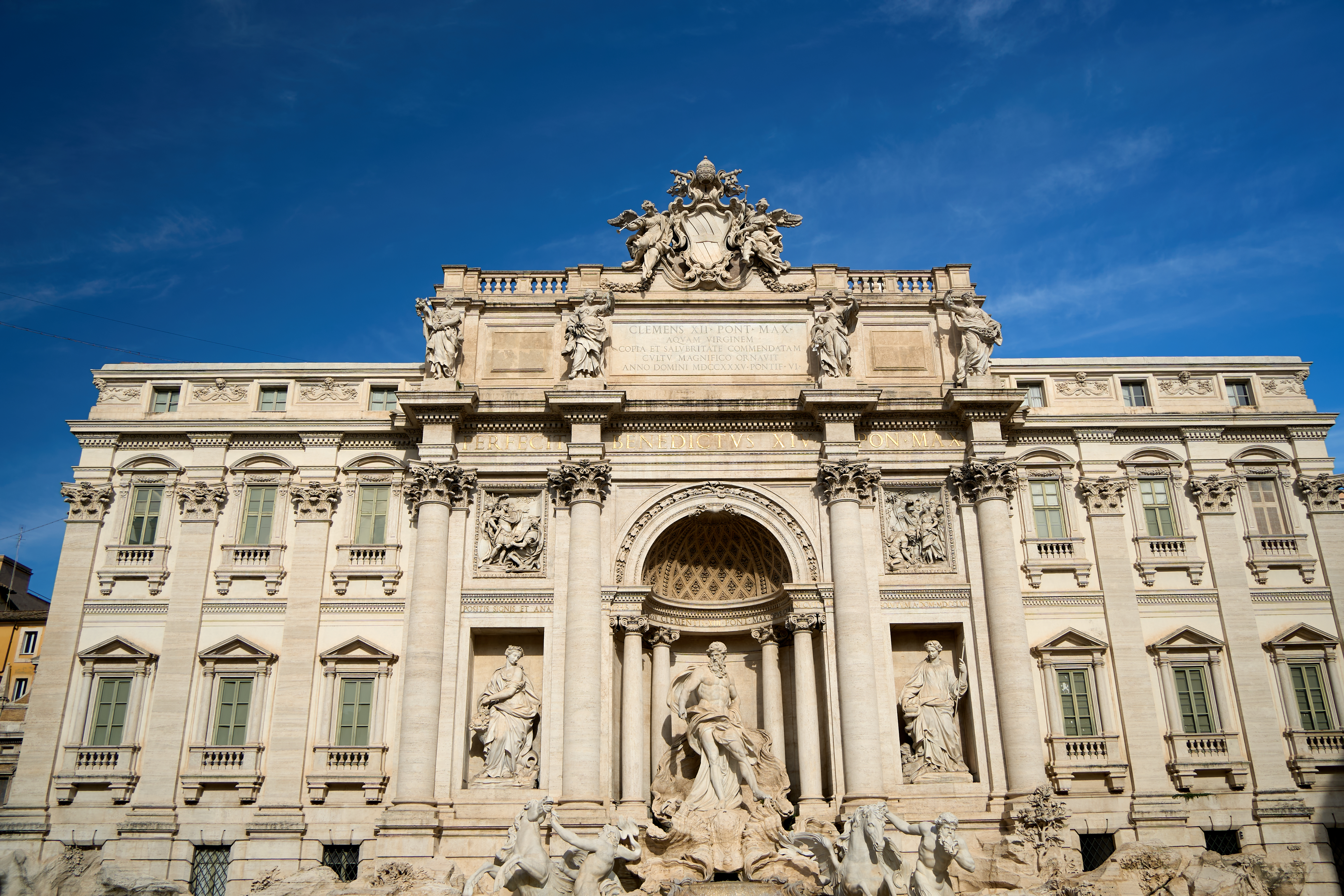
Trevi Fountain: A 2-Euro “Viewing Fee”
If you’re wondering why this post doesn’t feature one of those perfect, empty shots of the Trevi Fountain? Simple: there wasn’t a single square inch of empty space to stand on.
To make matters worse, as of 2026, if you want to get anywhere near the water, they now charge a 2 Euro 💶 “viewing fee.” Honestly, I don’t understand the collective obsession with this fountain, and I understand throwing coins even less—do people really think throwing pocket change into a pool is going to make God grant them a fortune? After snapping a hurried shot from afar, I headed straight for the next landmark: the Pantheon.
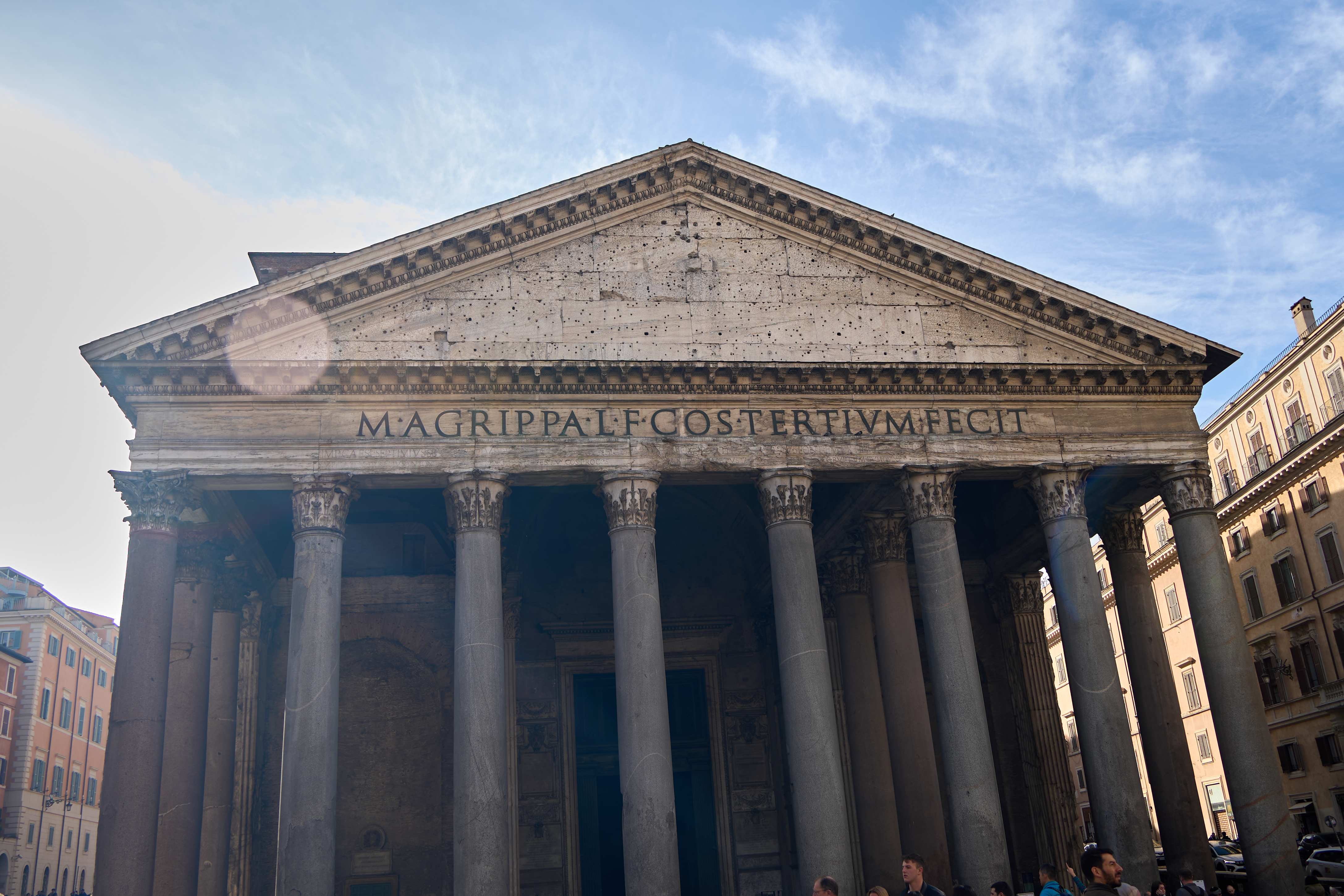
Engineering Miracles: The Pantheon
The other architectural titan is, of course, the Pantheon. I have to admit, creating such a perfect, massive dome without reinforced concrete in ancient times is indeed a miracle of engineering.
I originally wanted to go inside and experience that “holy beam of light,” but there seemed to be an event taking place, and it wasn’t open to tourists at the time. I’ve decided to save that bit of “spiritual enlightenment” for my next trip. Even so, looking up at those massive columns from the entrance is enough to make you appreciate the wisdom and grandeur of the ancient Romans.
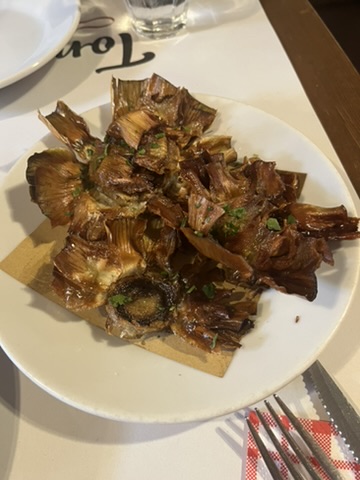
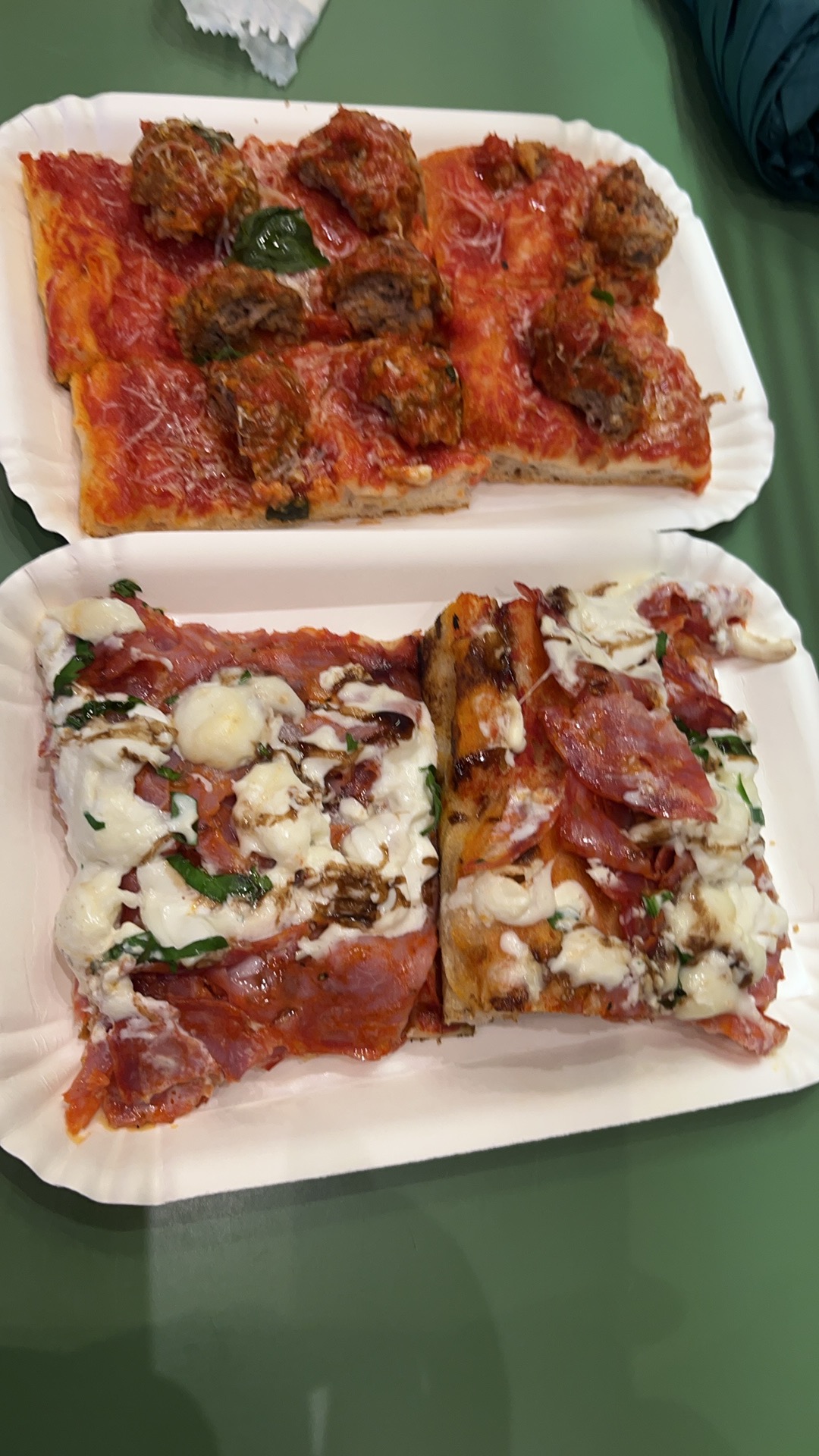
The Flavors of Rome: Finding Soul in the Alleys
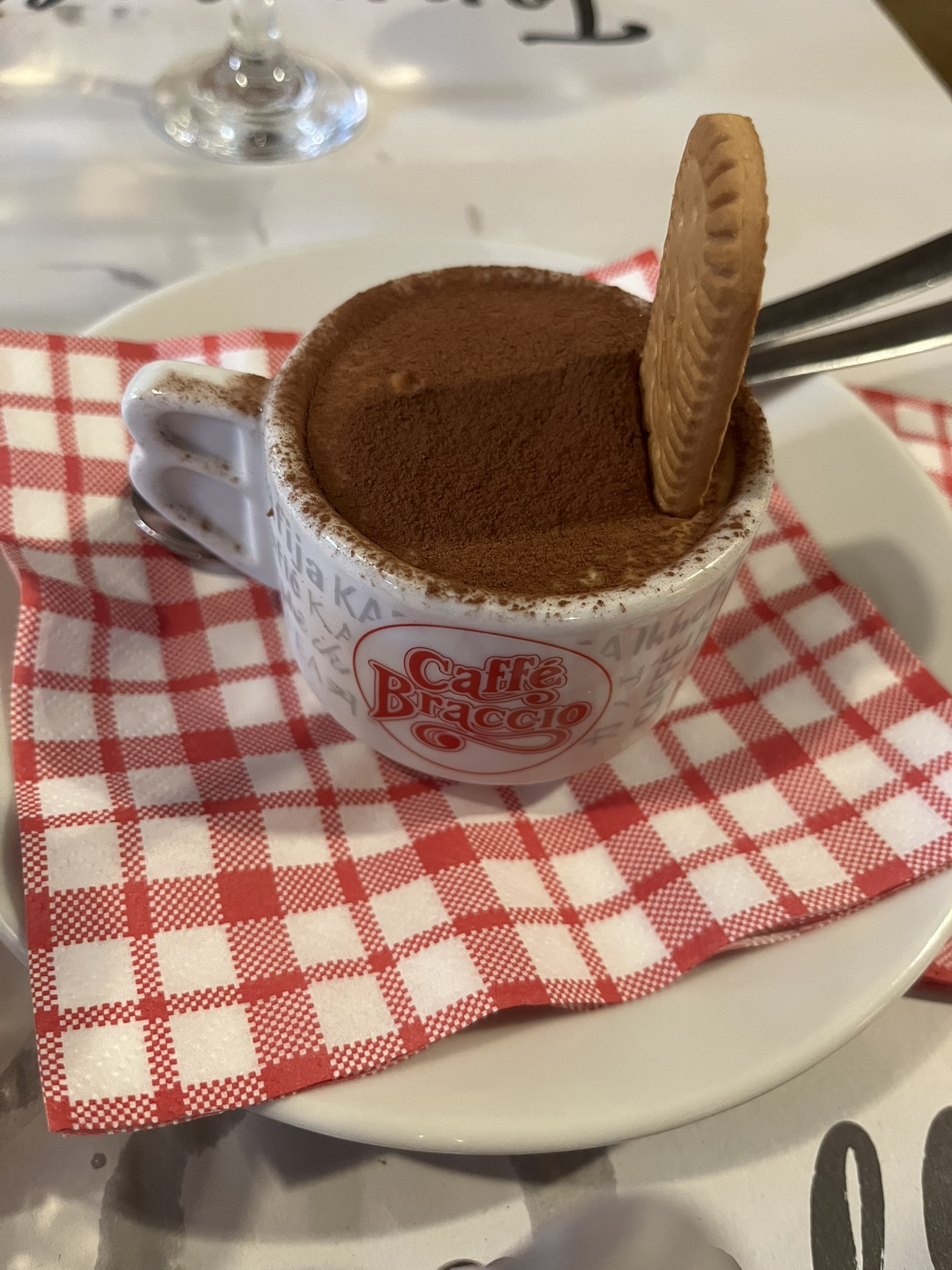
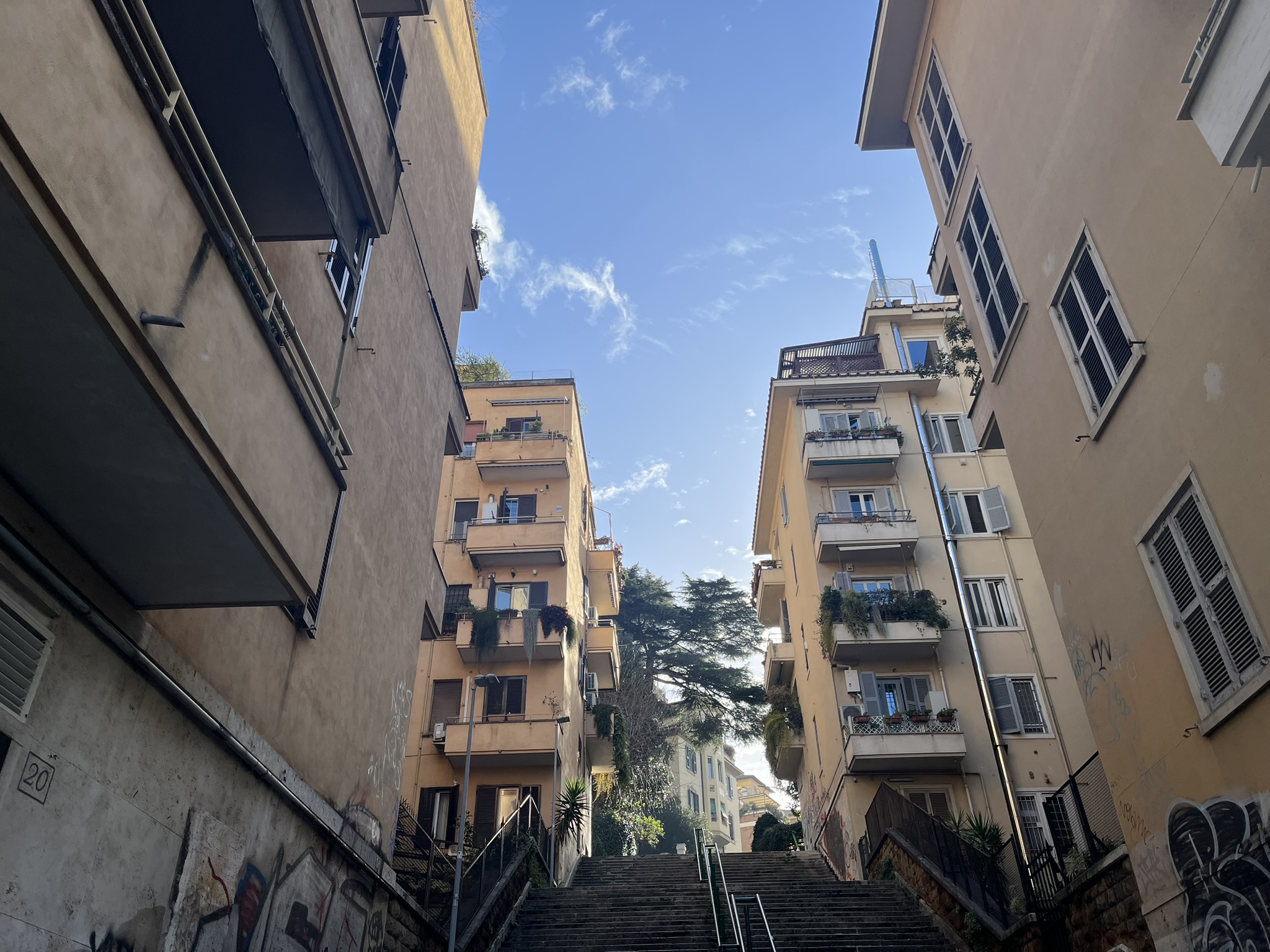
Beyond the monumental architecture, the soul of Rome is hidden in the pizzerias and trattorias tucked away in its alleys. Even a casual pit stop can lead to an unexpected encounter with authentic flavors. Compared to the grand ruins, these “lo-fi” snapshots of daily life often feel the most real.


Wrapping Up
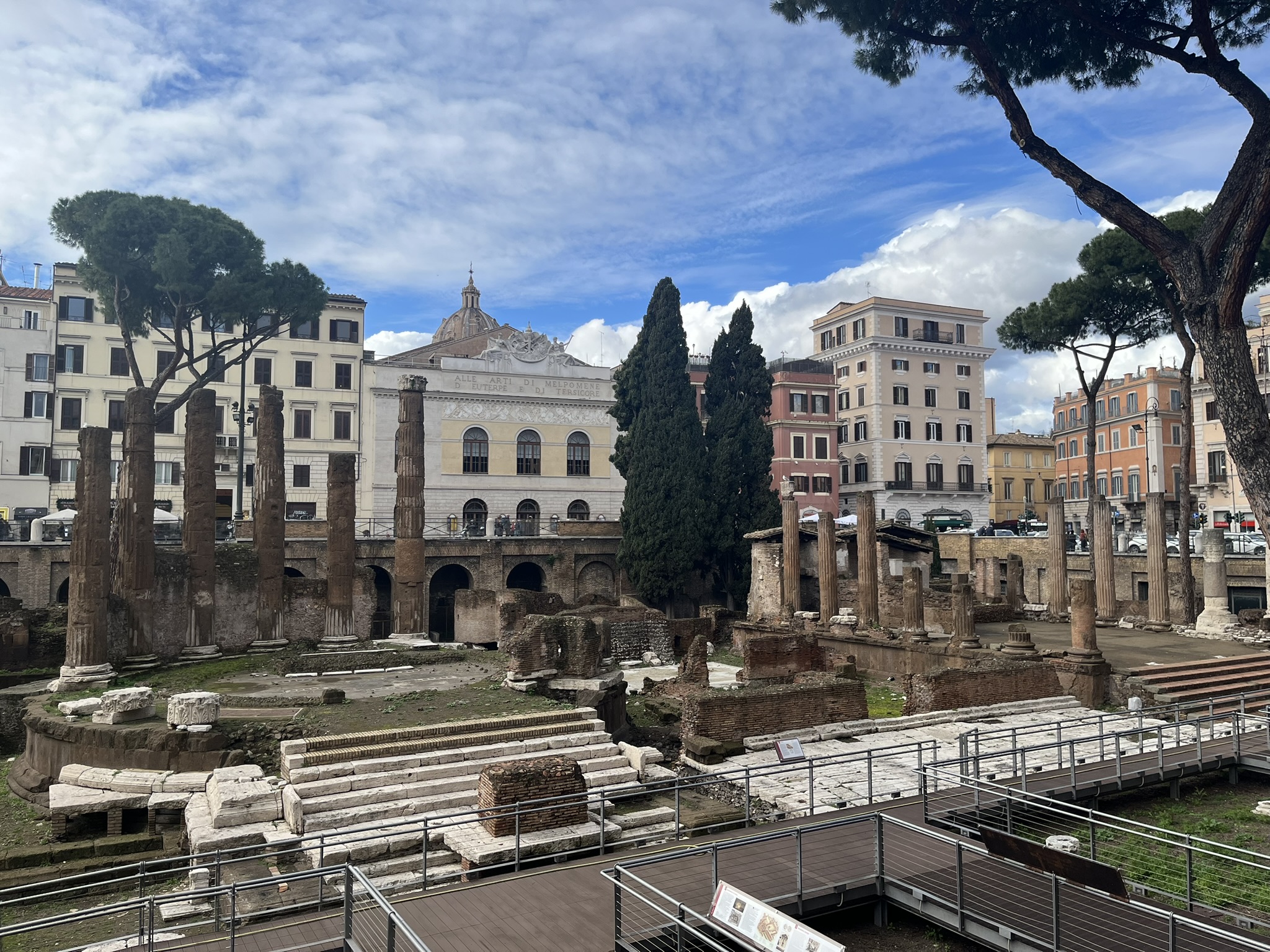
They say Rome is a living, open-air museum without walls. Here, ancient civilization and modern chaos coexist in a bizarrely fascinating way. Despite my constant complaining, there is something truly unique about walking along cobblestones and finding 2,000-year-old ruins right around the corner from where you’re grabbing a slice of pizza 🍕.
Beyond the visuals, the scent of Rome left a lasting impression on me. Brushing past locals in the narrow alleys, I was often enveloped in a subtle, refined fragrance. Curiously, these scents were remarkably consistent—as if the entire city shared a single “signature” perfume, weaving an air of modern Roman elegance into the ancient cobblestone streets.
Stay tuned—next stop is Florence, where I hope the weather will be slightly more merciful.